A guide to linen textiles
What to Know About Naturepedic Organic Linen Bedding
The appeal of linen is easy to describe and harder to reduce to a single number: it feels airy, has a distinctive texture, and can grow softer with use. To understand what Naturepedic organic linen bedding may offer, look beyond the word “organic.” Fiber origin, fabric construction, certification, fit and care all help explain what the label means in daily life.
Start with the fiber: linen comes from flax
Linen is made from the bast fibers found in the stems of the flax plant. After harvesting, the stems are processed to separate usable fibers, which are then prepared as yarn and woven into cloth. The result is a fabric with a character quite different from cotton: a visible, often slightly irregular texture, a crisp hand when new, and a relaxed drape that many people associate with an easy, lived-in bed.
That texture is not a defect to be corrected. It is part of the material’s identity. Linen yarns can vary in thickness, and small variations may remain visible in the finished cloth. The surface may feel nubbly or pleasantly dry against the skin rather than uniformly smooth. Some sleepers find that quality appealing; others prefer the sleekness of sateen or the even, crisp surface of cotton percale. Neither preference is a test of discernment. They are simply different experiences of fabric.
Flax fibers are also valued for their strength. Durability, however, is not guaranteed by the word linen alone. Fiber quality, yarn preparation, weave, finishing and repeated care all matter. Nor does a strong fabric mean it is immune to abrasion, snags or wear. A sensible assessment starts with the material description and construction details, then considers how the bedding will be used and laundered.
What “organic” tells you—and what it does not
In an organic linen description, the term generally refers to the agricultural origin and processing requirements of the fiber, not to a special weave or a guaranteed feel. Naturepedic’s organic linen bedding is described as being made from certified organic flax grown in France. Its product information identifies the finished fabric as GOTS-certified organic linen and states that the bedding is made in a GOTS-certified facility in India. Those details describe separate stages of a supply chain: where the flax is grown, where fabric or finished goods are made, and which certification applies.
GOTS—the Global Organic Textile Standard—is a certification system for organic fibers and textile processing. It sets requirements that apply across defined stages of production, including criteria for environmental management and certain social practices. A certification is useful because it gives shoppers a framework more specific than an unverified sustainability claim. But it is important to read the scope accurately: a label does not mean every possible impact is eliminated, that every component is necessarily made from the same fiber, or that the bedding has a particular feel or lifespan.
For a precise understanding, check the certificate or the brand’s current product documentation. Confirm whether the certification covers the product or facility, whether the item is described as containing 100 percent organic linen, and whether any trim, thread, elastic or other components are treated separately. Certification rules and product specifications can change, so current documentation matters more than a broad impression created by a label.
Organic status is one meaningful part of a material decision, not a complete environmental scorecard. Growing practices matter, but so do processing, dyeing, transportation, product life and what happens at the end of use. A durable textile that is washed and used for years may serve a household differently from a product replaced frequently. The practical question is therefore not only “Is it organic?” but also “What is it made of, how was it processed, and can I care for it in a way that supports long use?”
Tracing flax from field to finished bedding
For Naturepedic’s organic linen, the stated origin of the flax is France. The bedding information also describes production in a GOTS-certified organic facility in India. These are not contradictory statements. The source of a raw fiber and the location where a textile is manufactured are different facts, and both can be relevant when evaluating a product.
Origin can help make a supply chain more legible, but it should not be treated as a shortcut for judging quality. “French flax,” for example, tells you about the stated agricultural source; it does not by itself reveal the precise yarn quality, weave density, finishing process or durability of a finished sheet. Likewise, a country-of-manufacture label cannot, on its own, establish whether a fabric is well made or responsibly produced. Construction details and credible documentation help complete the picture.
Naturepedic’s product information lists a fabric weight of 185 grams per square metre for its organic linen sheets. Weight can be a useful point of comparison when specifications are available, but it does not tell the whole story. A heavier fabric may feel more substantial; a lighter one may feel airier. How either behaves depends on yarn, weave, finishing and personal preference. Weight should be read alongside the stated fiber content, construction and care guidance—not as a stand-alone quality ranking.
The brand also describes the linen as stone-washed. Stone washing is a finishing method intended to give fabric a softer, more relaxed hand. Finishing can shape the first impression of a sheet, while continued use and laundering may change its feel further. Two linens with similar fiber content can therefore feel noticeably different when they come out of the package.
Breathability and temperature: useful qualities, not promises
Linen bedding is often chosen for its airy feel. Its structure allows air to circulate through the fabric, while the fiber can absorb moisture and release it as conditions change. Naturepedic describes its linen as breathable, moisture-wicking and temperature-regulating. In practical terms, those qualities may make the fabric appealing to people who dislike a heavy, clammy sleep surface or who prefer a textile that feels less close to the body.
Still, temperature regulation is not a personal thermostat. Bedroom conditions, mattress materials, sleepwear, duvet fill, humidity and individual physiology all shape how warm or cool someone feels. Linen may be a useful part of a comfortable sleep setup, but it cannot guarantee that every sleeper will feel cool in summer or warm in winter. Claims about year-round comfort are best understood as a description of versatility, not a promise that the same sheet will suit every climate and preference equally.
There is also a difference between moisture absorption and moisture management. A textile may take up moisture without feeling equally comfortable in every circumstance; performance depends on how quickly that moisture can move and evaporate, as well as on ventilation around the body. For households, the sensible approach is to consider linen alongside the whole bed: mattress protector, duvet, room temperature and sleeping habits.
People with sensitivities may be drawn to natural fibers, but “organic” does not mean a fabric is hypoallergenic for everyone. Reactions can relate to dyes, finishes, detergent, dust or individual sensitivity to the fiber itself. If skin is easily irritated, begin with the care label, wash new bedding before use if appropriate, and consider any known sensitivities. For persistent symptoms, seek advice from a qualified health professional rather than relying on textile marketing language.
Texture, softness and the long view
Linen’s hand is one of the most important factors in deciding whether it belongs on a particular bed. New linen can feel crisp, textured or slightly firm compared with soft cotton sateen. With repeated washing, the fabric often becomes more supple. Naturepedic says its organic linen bedding softens with washing while retaining strength. That is a useful expectation, but the exact pace of change depends on laundering, drying, use and the fabric’s finishing.
Softening should not be confused with a guarantee that the cloth will become silky. Linen generally keeps more surface character than a smooth sateen. Its relaxed look can include gentle creasing, and ironing is a matter of preference rather than a requirement for a neat bed. Some people enjoy the unpressed finish; others prefer to iron while the fabric is slightly damp. The right choice depends on whether the goal is a casual, textured appearance or a flatter, more formal one.
Descriptions such as “luxurious,” “soft” or “weighty” are subjective. When possible, handle a sample or compare linen with a fabric you already know. Pay attention to the way it drapes, how its surface feels against your skin and whether you like the sound and movement of the cloth. The most expensive or technically specified textile is not automatically the one that will feel best to you.
Naturepedic’s linen duvet covers and sheet sets are presented as coordinated pieces, with the duvet cover described as having corner ties to help secure an insert. This small construction detail can matter in everyday use: ties may reduce shifting inside the cover, while the duvet’s dimensions and the insert’s dimensions determine how neatly the finished bed sits. Before choosing bedding, check the current size chart and the included components for the exact item and size.
Care that respects the fabric
Linen is practical to wash, but gentle habits can help preserve its shape, color and surface. Follow the item’s care label first; instructions can vary between sheets, pillowcases and duvet covers, and between finishes. Naturepedic’s listed care guidance for its organic linen bedding calls for machine washing in warm water, tumble drying on low and warm ironing if desired, while advising against bleach. Product-specific instructions should take precedence over general rules.
- Sort thoughtfully. Wash similar colors together, and avoid overcrowding the machine so the fabric can move freely.
- Choose a mild routine. Use an appropriate detergent and the cycle recommended on the label. Bleach can weaken fibers or affect color; do not use it unless the care instructions specifically allow it.
- Keep drying moderate. Low heat and prompt removal can help limit excess creasing and unnecessary stress. Avoid leaving damp bedding tightly bundled for long periods.
- Iron only if you want to. Linen’s natural creases are part of its familiar appearance. If a smoother finish is preferred, use the temperature guidance on the care label and iron while the cloth is slightly damp when appropriate.
- Store clean and dry. Let bedding dry fully before putting it away, and keep it in a breathable storage space away from persistent dampness.
Fabric softener is not a default solution for roughness. It can leave a coating on some textiles and may affect absorbency or surface character. If a sheet feels stiff, first check whether it was over-dried, washed with too much detergent or exposed to unsuitable products. The label remains the best guide, especially for linen with a particular finish.
Stains require prompt, careful attention. Blot rather than rub, and use a treatment that is safe for the fiber and color. Test an inconspicuous area when possible, and avoid applying heat until a stain has been removed, since heat can make some marks harder to treat. For difficult stains or delicate detailing, professional cleaning may be the more cautious option.
Sizing and construction are part of comfort
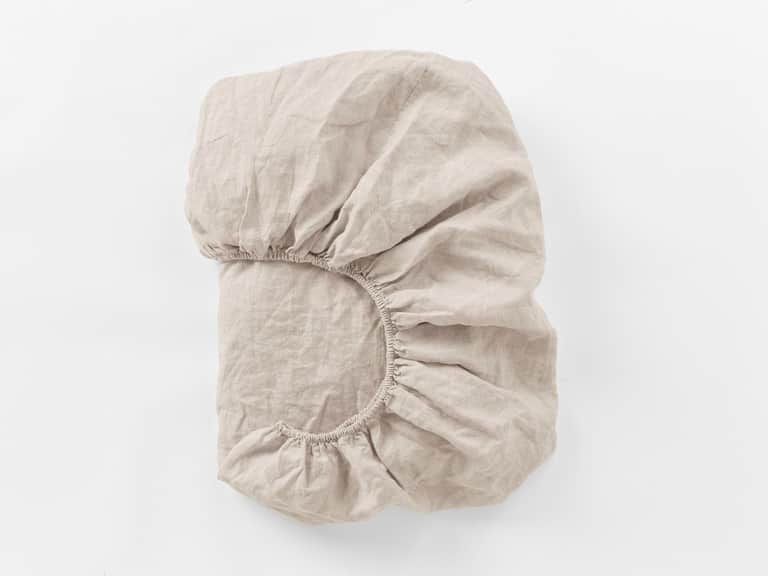
A sheet can have excellent fiber credentials and still be frustrating if it does not fit the mattress. Naturepedic’s organic linen sheets are listed with a 15-inch pocket on the fitted sheet. That measurement is useful, but shoppers should compare it with the full depth of their mattress, including a topper or protector. A fitted sheet that is too shallow may pull free at the corners; one that is much deeper than needed may bunch.
Look at the details as a set: pocket depth, elastic coverage, mattress dimensions and the shape of the corners. Full elastic around the fitted sheet can help it stay in place, but fit depends on accurate sizing and the mattress profile. Pillowcases also vary by size. Check whether the listed dimensions match the pillows already in use, especially if they are unusually thick or overfilled.
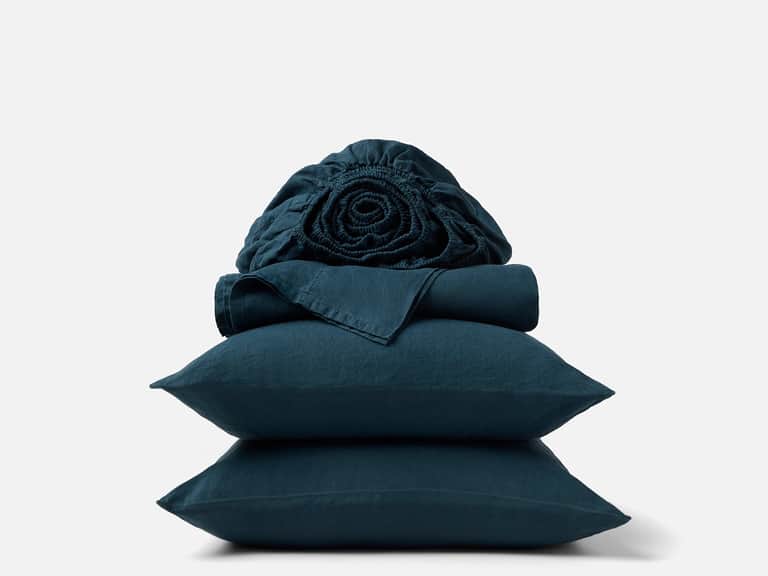
For a coordinated option, the Naturepedic Organic Linen Sheets are described as including a flat sheet, fitted sheet and two pillowcases, with a 15-inch fitted-sheet pocket. The Naturepedic Organic Linen Duvet Cover is described with corner ties and two pillow shams. Verify the current product page for available sizes, dimensions, contents and care details before making a decision, since specifications and availability can change.
How linen compares with cotton weaves
“Linen versus cotton” is not quite a fair contest: linen names a fiber, while percale and sateen describe ways of weaving cotton. The comparison is most useful when it focuses on the actual choices a sleeper is weighing. Linen tends to have more visible texture and a relaxed drape. Cotton percale is commonly crisp and matte, while cotton sateen usually feels smoother and has a subtle sheen. Finishing and yarn quality can make any of these fabrics feel quite different from one product to another.
Thread count is not a reliable way to rank linen against cotton. The number is more commonly used in descriptions of cotton bedding, and even there it needs context. Fiber length, yarn construction, weave and finishing contribute substantially to the result. A very high thread-count figure does not automatically mean a sheet is more breathable, longer-lasting or more comfortable. For linen, useful clues include fiber content, fabric weight when provided, weave information, finishing and clear care instructions.
The better choice is the one that suits the room and the sleeper. Someone who likes a textured, less formal bed may gravitate toward linen. Someone who prefers a smooth surface and a crisp, tailored appearance may favor percale; someone seeking a softer, more lustrous hand may prefer sateen. Each fabric can be comfortable when well made and cared for appropriately.
A practical checklist before choosing
Before selecting organic linen bedding, use the product details to answer a few direct questions. This turns a broad promise of “natural comfort” into a more useful assessment of the actual textile.
- What is the fiber content? Confirm whether the item is described as 100 percent linen, a blend, or linen with other components.
- Where does the raw fiber come from? Note the stated flax-growing region, while recognizing that origin alone does not determine finished quality.
- Where is the textile made? Distinguish fiber origin from the location of weaving, finishing and final manufacture.
- What does the certification cover? Look for current, verifiable certification information and read its scope rather than treating a label as a blanket guarantee.
- How is the fabric finished? Stone washing or other finishing can affect the initial softness and appearance.
- Will the fit work? Compare the fitted-sheet pocket and pillowcase dimensions with the actual mattress and pillows.
- Can the care routine fit your household? Check temperature, drying, ironing and stain-treatment instructions before buying.
The bottom line
Naturepedic’s organic linen bedding is described as using organic flax grown in France, with GOTS certification and manufacturing in a GOTS-certified facility in India. The brand’s product information also points to linen’s breathable feel, moisture management, stone-washed finish and tendency to soften with use. Together, these details offer a useful picture of the material and its stated production path—but they are not a substitute for checking the exact item’s label, dimensions and current care instructions.
The central decision is tactile as much as technical. Linen is not simply a cooler version of cotton or a luxury label on a bed. It is a distinct textile: textured, breathable, characterful and often increasingly supple over time. If that surface appeals to you, and its care and fit suit your routine, organic linen can be a durable foundation for everyday bedding. If you prefer a uniformly smooth or pressed appearance, another weave may be a more natural match.
In the end, quality is not captured by a single claim. It emerges from the relationship between fiber, construction, finish, certification, fit and care. Reading those details closely is the most reliable way to decide whether organic linen belongs in your bedroom.